Class Gymnospermata (naked seed, not enclosed in an ovary; the embryonic sporophyte is not enclosed until after pollination; usually using cones)
㰀⼀甀氀㸀
Order:Gingko phyta, Species Gingko biloba (ginkgo). Only one species remains, the gingko or maidenhair (Gingko biloba) has fan-shaped 2-lobed leaves, with the female tree producing fleshy fruit.㰀戀爀 ⼀㸀㰀戀㸀伀爀搀攀爀㨀㰀⼀戀㸀 䜀渀攀琀漀瀀栀礀琀愀 ⠀䔀瀀栀攀搀爀愀⤀
Order:Cycado phyta (Cycads). The cycad has long divided leaves and large cones, with male and female trees. Species number about 140. These are so ancient they are found on all continents except Antarctica.㰀戀爀 ⼀㸀㰀戀㸀伀爀搀攀爀㨀㰀⼀戀㸀 㰀椀㸀倀椀渀漀㰀⼀椀㸀瀀栀礀琀愀 ⠀㰀椀㸀䌀漀渀椀昀攀爀漀㰀⼀椀㸀瀀栀礀琀愀⤀ ⠀䌀漀渀椀昀攀爀猀⤀
㰀搀椀瘀 愀氀椀最渀㴀∀爀椀最栀琀∀㸀㰀戀㸀䈀甀渀礀愀 瀀椀渀攀㰀⼀戀㸀㰀⼀栀㌀㸀
㰀椀洀最 猀爀挀㴀∀椀洀愀最攀猀㈀⼀戀甀渀礀愀开琀爀攀攀⸀樀瀀最∀ 愀氀琀㴀∀䈀甀渀礀愀 琀爀攀攀 渀漀琀 昀漀甀渀搀∀ 愀氀椀最渀㴀∀爀椀最栀琀∀ ⼀㸀㰀⼀愀㸀㰀⼀搀椀瘀㸀
Conifers are well-adapted to drought conditions because when the ground is frozen, water is unavailable. Tough leathery leaves withstand drying winds. Nonetheless, they are mostly evergreen. Species number about 550㰀戀爀 ⼀㸀㰀戀㸀䘀愀洀椀氀礀 倀椀渀攀愀挀攀愀攀㰀⼀戀㸀
Abies (Fir)㰀戀爀 ⼀㸀䌀攀搀爀甀猀 ⠀䌀攀搀愀爀⤀
Larix (Larch)㰀戀爀 ⼀㸀倀椀挀攀愀 ⠀匀瀀爀甀挀攀⤀
Pinus (Pine)㰀戀爀 ⼀㸀倀猀攀甀琀漀琀猀甀最愀 ⠀䐀漀甀最氀愀猀ⴀ䘀椀爀⤀
Tsuga (Hemlock)㰀戀爀 ⼀㸀㰀戀㸀䘀愀洀椀氀礀 吀愀砀漀搀椀愀挀攀愀攀 ⠀渀漀眀 洀攀爀最攀搀 椀渀琀漀 䌀甀瀀爀攀猀猀愀挀攀愀攀⤀㰀⼀戀㸀
Sequoia㰀戀爀 ⼀㸀匀攀焀甀椀漀愀搀攀渀搀爀漀渀
Taxodium㰀戀爀 ⼀㸀㰀戀㸀䘀愀洀椀氀礀 䌀甀瀀爀攀猀猀愀挀攀愀攀 ⠀䌀礀瀀爀攀猀猀⤀㰀⼀戀㸀
Calocedrus (Incense Cedar)㰀戀爀 ⼀㸀䌀甀瀀爀攀猀猀甀猀 ⠀䌀礀瀀爀攀猀猀⤀
Juniperus (Juniper)㰀戀爀 ⼀㸀吀栀甀樀愀 ⠀䄀爀戀漀爀瘀椀琀愀攀⤀
Western Red Cedar㰀戀爀 ⼀㸀㰀戀㸀䘀愀洀椀氀礀 䄀爀愀甀挀愀爀椀愀挀攀愀攀㰀⼀戀㸀 ⠀猀琀爀愀渀最攀 䄀甀猀琀爀愀氀椀愀渀 ⴀ 䈀甀渀礀愀 倀椀渀攀⤀
Family Podocarpaceae㰀戀爀 ⼀㸀㰀戀㸀䘀愀洀椀氀礀 吀愀砀愀挀攀愀攀 ⠀夀攀眀⤀㰀⼀戀㸀
Taxus (Yew)㰀戀爀 ⼀㸀吀漀爀爀攀礀愀 ⠀䌀愀氀椀昀漀爀渀椀愀 一甀琀洀攀最㨀 吀⸀ 挀愀氀椀昀漀爀渀椀挀愀⤀
㰀戀爀 ⼀㸀㰀戀㸀䌀氀愀猀猀 䄀渀琀栀漀瀀栀礀琀愀⼀愀渀最椀漀猀瀀攀爀洀猀㨀㰀⼀戀㸀 琀栀攀 昀氀漀眀攀爀椀渀最 瀀氀愀渀琀猀 漀爀 愀渀最椀漀猀瀀攀爀洀猀 椀渀 眀栀椀挀栀 琀栀攀 瀀漀氀氀攀渀 栀愀猀 琀漀 最爀漀眀 愀 琀甀戀攀 琀漀 瀀攀渀攀琀爀愀琀攀 琀栀攀 猀攀攀搀 挀漀愀琀 ⠀昀攀洀愀氀攀 最愀洀攀琀攀 椀猀 椀渀猀椀搀攀 愀渀 漀瘀愀爀礀⤀⸀㰀⼀椀㸀
Order Magnoliophyta (flowering plants) - too numerous to mention.
Conifers
㰀搀椀瘀 猀琀礀氀攀㴀∀昀氀漀愀琀㨀爀椀最栀琀∀㸀䈀甀渀礀愀 挀漀渀攀㰀⼀戀㸀
㰀椀洀最 猀爀挀㴀∀椀洀愀最攀猀㈀⼀戀甀渀礀愀开挀漀渀攀 ⸀最椀昀∀ 愀氀琀㴀∀䈀甀渀礀愀 挀漀渀攀 渀漀琀 昀漀甀渀搀∀ ⼀㸀㰀⼀愀㸀㰀⼀搀椀瘀㸀
Conifers get their name from their cones:㰀甀氀㸀
Each microspore germinates into a pollen tube which grows into the tissues of the female cone until it reaches the vicinity of the egg. (In pines, this may take a year.) Then the tube ruptures and a sperm nucleus fuses with the egg to form the zygote. 㰀戀爀 ⼀㸀䄀昀琀攀爀 昀攀爀琀椀氀椀稀愀琀椀漀渀Ⰰ 琀栀攀 稀礀最漀琀攀 搀攀瘀攀氀漀瀀猀 椀渀琀漀 愀 琀椀渀礀 攀洀戀爀礀漀 猀瀀漀爀漀瀀栀礀琀攀 瀀氀愀渀琀⸀
㰀戀爀 ⼀㸀㰀戀爀 ⼀㸀吀栀攀爀攀 愀爀攀 愀瀀瀀爀漀砀椀洀愀琀攀氀礀 㔀㔀 猀瀀攀挀椀攀猀 漀昀 氀椀瘀椀渀最 挀漀渀椀昀攀爀猀⸀
Conifers include the largest and the oldest of all living organisms. One redwood (genus Sequoia) growing in California is 115.55m high. Bristlecone pines growing in the mountains of eastern California are more than 4000 years old. 㰀戀爀 ⼀㸀㰀戀爀 ⼀㸀䄀氀琀栀漀甀最栀 洀漀猀琀 挀漀渀椀昀攀爀猀 愀爀攀 攀瘀攀爀最爀攀攀渀Ⰰ 琀栀攀椀爀 氀攀愀瘀攀猀 愀爀攀 洀漀搀椀昀椀攀搀 愀猀 ∀渀攀攀搀氀攀猀∀Ⰰ 愀渀搀 琀栀攀猀攀 爀攀搀甀挀攀 猀渀漀眀 氀漀愀搀 愀渀搀 琀爀愀渀猀瀀椀爀愀琀椀漀渀 搀甀爀椀渀最 琀栀攀 眀椀渀琀攀爀 椀渀 琀栀攀 栀愀爀猀栀 搀爀礀ⴀ眀椀渀琀攀爀 挀氀椀洀愀琀攀猀 漀昀 栀椀最栀ⴀ氀愀琀椀琀甀搀攀Ⰰ 眀栀攀爀攀 挀漀渀椀昀攀爀猀 愀爀攀 琀栀攀 搀漀洀椀渀愀渀琀 猀瀀攀挀椀攀猀 漀昀 瀀氀愀渀琀猀⸀
But by retaining their needles during the winter, conifers are ready to begin photosynthesis immediately upon the return of spring. 㰀戀爀 ⼀㸀䌀漀渀椀昀攀爀漀甀猀 昀漀爀攀猀琀猀 愀爀攀 漀昀 最爀攀愀琀 攀挀漀渀漀洀椀挀 椀洀瀀漀爀琀愀渀挀攀 瀀爀漀搀甀挀椀渀最 氀甀洀戀攀爀 昀漀爀 戀甀椀氀搀椀渀最 愀渀搀 瀀甀氀瀀 昀漀爀 瀀愀瀀攀爀 洀愀欀椀渀最⸀
㰀栀㌀㸀䠀椀猀琀漀爀礀㰀⼀栀㌀㸀
Fossil from the Devonian period reveal fernlike plants that were heterosporous; that is, produced two kinds of spores:㰀甀氀㸀
However, the necessity for the microspores to be carried from one plant to another in order to reach the female gametophyte robbed them of their value as agents of dispersal. This function was taken over by seeds — dormant, protected, embryo sporophytes.
The seed ferns, as these plants are called, were among the earliest gymnosperms. Although seed ferns are now extinct, some of their living descendants, the cycads, resemble them closely. Cycads reveal their ancient lineage by the fact that after the microspore reaches the ovule, it liberates a ciliated sperm which, swimming in moisture supplied by the parent sporophyte, reaches the egg. Ginkgos are also gymnosperms that use motile sperm.
At the end, dinosaurs became extinct, except for birds.
㰀⼀甀氀㸀㰀⼀氀椀㸀
Division Pinophyta - Characteristics
⠀䄀氀猀漀 䌀漀渀椀昀攀爀漀瀀栀礀琀愀 ⴀ 琀栀攀 䌀漀渀椀昀攀爀猀⤀
Pinophyta are seed plants, dating from the upper Carboniferous.㰀戀爀 ⼀㸀㰀戀㸀䌀漀渀椀昀攀爀猀 栀愀瘀攀㨀
㰀氀椀㸀眀漀漀搀礀 猀琀攀洀猀㰀⼀氀椀㸀
megaphyllous leaves
㰀氀椀㸀猀攀攀搀猀㰀⼀氀椀㸀
These seeds are typically produced in woody cones, though the cones of some conifers are reduced to such a degree that they are no longer recognizable as such. The cones of the juniper, for instance, are fleshy and blue; they are often called "berries", and are used in the flavoring of gin and the seasoning of certain foods. Pine "nuts" are also important edible seeds produced by conifers.
Vegetative Characteristics:㰀甀氀㸀
All members produce abundant secondary xylem and grow as either trees or shrubs.
With the exception of the Taxaceae, ovules are borne in complex or secondarily reduced megasporangiate stobili (seed cones) consisting of seed scales bearing ovules. These are subtended by a sterile bract. Together the seed-scale with its sterile bract is termed a seed-scale complex. These are aranged around the central axis of the ovulate cone.
㰀⼀甀氀㸀
㰀栀㌀㸀䌀礀挀愀搀猀㰀⼀栀㌀㸀
吀栀漀甀最栀 挀礀挀愀搀猀 愀爀攀 挀愀氀氀攀搀 瀀愀氀洀猀Ⰰ 猀甀挀栀 愀猀 㰀椀㸀䌀礀挀愀猀 爀攀瘀漀氀甀琀愀Ⰰ㰀⼀椀㸀 漀爀 ∀匀愀最漀 倀愀氀洀∀Ⰰ 琀栀攀礀 愀爀攀 渀漀琀 挀氀漀猀攀氀礀 爀攀氀愀琀攀搀 琀漀 琀栀攀 瀀愀氀洀猀⸀
Cycads are an ancient group of seed plants with a crown of large compound leaves and a stout trunk. They are a minor component of the flora in tropical and subtropical regions today, but during the Jurassic Period, they were a common sight in many parts of the world. For this reason, the Jurassic is often referred to as the "Age of Cycads".
Cycads display a number of important biotic interactions.㰀戀爀 ⼀㸀䈀椀漀琀椀挀 椀渀琀攀爀愀挀琀椀漀渀猀 ⠀椀渀琀攀爀愀挀琀椀漀渀猀 眀椀琀栀 漀琀栀攀爀 氀椀瘀椀渀最 琀栀椀渀最猀⤀ 愀爀攀 渀攀挀攀猀猀愀爀礀 昀漀爀㰀戀㸀㨀㰀⼀戀㸀
seed dispersal: The seeds of cycads are quite large, and are often brightly colored with red, purple, and yellow seeds displayed as the cone matures and the seed-bearing leaves separate from each other. The colors attract birds and a variety of mammals which disperse the seeds.
Cycads are no longer abundant or dominant components of the world flora. They are found on every continent except Europe and Antarctica, growing in varied tropical and subtropical habitats, such as forest understory in both rainforests and seasonally dry forests, or even as members of the forest canopy. Other cycads grow in loose stands in grasslands, forming a kind of savanna.㰀戀爀 ⼀㸀㰀戀爀 ⼀㸀䤀渀 䄀甀猀琀爀愀氀椀愀Ⰰ 琀栀攀礀 栀愀瘀攀 猀甀爀瘀椀瘀攀搀 愀猀 琀栀攀 挀漀渀琀椀渀攀渀琀 栀愀猀 搀爀椀攀搀 昀爀漀洀 爀愀椀渀昀漀爀攀猀琀 琀漀 搀攀猀攀爀琀Ⰰ 最爀漀眀椀渀最 攀椀琀栀攀爀 愀猀 椀猀漀氀愀琀攀搀 琀爀攀攀猀 眀栀攀爀攀 猀瀀愀爀猀攀 爀愀椀渀 椀猀 琀爀愀瀀瀀攀搀 椀渀 挀爀愀挀欀猀 椀渀 爀漀挀欀猀 ⠀䘀椀渀欀攀 刀椀瘀攀爀 戀攀搀⤀Ⰰ 漀爀 愀猀 最爀漀甀瀀猀 椀渀 最甀氀氀椀攀猀 眀栀攀爀攀 甀渀搀攀爀最爀漀甀渀搀 氀愀礀攀爀猀 漀昀 爀漀挀欀 猀攀爀瘀攀 愀猀 眀愀琀攀爀琀爀愀瀀猀 ⠀倀愀氀洀 嘀愀氀氀攀礀⤀⸀
In eastern Africa the Encephalartos grows at very high elevation where it survives low rainfall, harsh winds, and dry soil, as well as occasional frost and heavy snow.
Extinction ?
Many cycads face imminent extinction.㰀戀爀 ⼀㸀吀漀搀愀礀 漀渀氀礀 猀洀愀氀氀 瀀漀挀欀攀琀猀 漀昀 挀礀挀愀搀猀 攀砀椀猀琀Ⰰ 愀渀搀 洀愀渀礀 愀爀攀 昀愀挀椀渀最 攀砀琀椀渀挀琀椀漀渀 椀渀 琀栀攀 眀椀氀搀 ⠀猀甀挀栀 愀猀 䴀椀挀爀漀挀礀挀愀猀 椀渀 眀攀猀琀攀爀渀 䌀甀戀愀⤀⸀
㰀戀爀 ⼀㸀㰀戀爀 ⼀㸀匀攀瘀攀爀愀氀 猀瀀攀挀椀攀猀 愀爀攀 愀氀爀攀愀搀礀 攀砀琀椀渀挀琀 椀渀 琀栀攀 眀椀氀搀⸀
Many more are under threat owing to:㰀甀氀㸀
habitat destruction, especially tropical forests
㰀氀椀㸀甀渀猀挀爀甀瀀甀氀漀甀猀 挀漀氀氀攀挀琀漀爀猀⸀㰀⼀氀椀㸀
changing climates
㰀氀椀㸀猀氀漀眀 最爀漀眀琀栀㰀⼀氀椀㸀
infrequent reproduction
㰀⼀甀氀㸀
In Australia pockets of cycads survive in the desert where peculiarities of geography trap water in the subsoil.㰀戀爀 ⼀㸀㰀戀爀 ⼀㸀䘀愀挀琀漀爀猀 眀栀椀挀栀 洀椀最栀琀 猀愀瘀攀 琀栀攀洀 愀爀攀㰀戀㸀㨀㰀⼀戀㸀
㰀⼀甀氀㸀
However, breeding programs lack the genetic variation needed to maintain natural populations.
To protect natural populations, five genera are now covered by international law, prohibiting trade of seeds collected in the wild.㰀戀爀 ⼀㸀㰀戀爀 ⼀㸀㰀⼀戀漀搀礀㸀㰀⼀栀琀洀氀㸀�
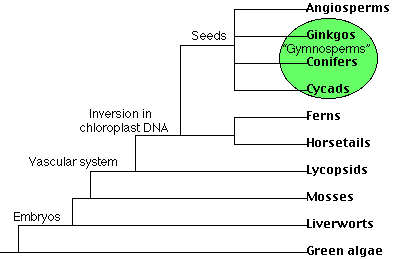 㰀戀㸀䜀礀洀渀漀猀瀀攀爀洀猀 愀爀攀 挀氀愀猀猀椀昀椀攀搀 琀栀甀猀㨀㰀⼀戀㸀