 Carbohydrates
 are a major source of energy and should account for 50% to 60% of calories consumed each day.
| Saturated lipids | 1) tends to increase blood cholesterol levels. Most saturated fats tend to be solid at room temperature, with the exception of tropical oils.
2) found mostly in meat and dairy products, as well as some vegetable oils, such as coconut and palm oils (tropical oils). Butter is high in saturated fat, while margarine tends to have more unsaturated fat. (Beware of 'margarine' made from dyed animal fat.) |
| Polyunsaturated lipids | 1) tends to lower blood cholesterol levels
2) found mostly in plant sources. (safflower, sunflower, soybean, corn, cottonseed) |
| Monounsaturated lipids | 1) tends to lower LDL cholesterol (the "bad" cholesterol)
2) found in both plant and animal products, such as olive oil, canola oil, peanut oil, and in some plant foods such as avocado |
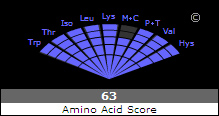 Good combinations for protein are:
| Vitamin | Chemical |
|---|---|
There are 13 vitamins:
|
retinol, (betacarotene can be used by the body to make vitamin A.) --- thiamine riboflavin niacin pantothenic acid pyridoxine + related compounds cyanobalamin + related compounds biotin (alias H in the US) folic acid (alias M in the US) ascorbic acid --- calciferol cholecalciferol tocopherol --- phylloquinone menaquinone citrin |
| Vitamin | Good sources | Main functions | Minimum | Maximum |
|---|---|---|---|---|
| A/Retinol | As vitamin A: Fish liver oils, liver, egg yolks, butter, cream, and fortified milk. As carotenoids (converted to vitamin A in the body), such as beta-carotene: Dark green and yellow-orange vegetables, and yellow-orange fruits | Helps protect against infections . Required to form light-sensitive nerve cells (photoreceptors) in the retina, helping maintain night vision. Helps maintain the health of the skin, cornea, and lining of the lungs, intestine, and urinary tract | 700 micrograms for women 900 micrograms for men 770 micrograms for pregnant women 1,200 micrograms for breastfeeding women | 3,000 micrograms |
| D | Formed in the skin when the skin is exposed to direct sunlight Fortified milk, fatty fish, fish liver oils, and egg yolks | Promotes the absorption of calcium and phosphorus from the intestine Required for bone formation, growth, and repair. Strengthens the immune system and reduces the risk of autoimmune disorders | 200 IU for people aged 50 and younger 400 IU for people aged 51 to 70 600 IU for people older than 70 | 2,000 IU |
| E | Vegetable oil, margarine, nuts, and wheat germ | Acts as an antioxidant, protecting cells against damage by free radicals | 15 mg (22 IU of natural or 33 IU of synthetic) 19 mg for breastfeeding women | 1,000 mg |
| K | Green leafy vegetables (such as collards, spinach, and kale) and soybean and canola oils | Helps in the formation of blood clotting factors and thus is necessary for normal blood clotting. Required for healthy bones and other tissues | 90 micrograms for women 120 micrograms for men | - |
| Vitamin | Good sources | Main functions | Minimum | Maximum |
|---|---|---|---|---|
| B-group | The B-group are chemically unrelated but are water-soluble; mostly occur together in liver, cereals & yeast. | |||
| B1/Thiamin | Dried yeast, whole grains, meat (especially pork and liver), enriched cereals, nuts, legumes, and potatoes | Required for the metabolism of carbohydrates and for normal nerve and heart function | 1.1 mg for women 1.2 mg for men 1.4 mg for pregnant or breastfeeding women | - |
| B2/Riboflavin | Milk, cheese, liver, meat, fish, eggs, and enriched cereals | Required for the metabolism of carbohydrates and amino acids and for healthy mucous membranes, such as those lining the mouth | 1.1 mg for women 1.3 mg for men 1.4 mg for pregnant women 1.6 mg for breastfeeding women | - |
| B5/Pantothenic acid | Liver, beef, egg yolks, yeast, potatoes, broccoli, and whole grains | Required for the metabolism of carbohydrates and fats | 5 mg (but no RDA has been established) | - |
| B3/Niacin (nicotinic acid or nicotinamide ) | Dried yeast, liver, meat, fish, legumes, and whole-grain or enriched cereal products | Required for the metabolism of carbohydrates, fats, and many other substances | 14 mg for women 16 mg for men | 35 mg |
| B6/pyridoxine | Dried yeast, liver, other organ meats, whole-grain cereals, fish, and legumes | Required for the metabolism of amino acids and fatty acids, for normal nerve function, for the formation of red blood cells, and for healthy skin | 1.3 mg 1.5 mg for women older than 50 1.7 mg for men older than 50 1.9 mg for pregnant women 2.0 mg for breastfeeding women | 100 mg |
| B12/cobalamins | Synthesized by bacteria. Animals either have these bacteria in the gut or eat animals which do, thus passing the vitamin up the chain. Meats (especially beef, pork, liver, and other organ meats), eggs, fortified cereals, milk, clams, oysters, salmon, and tuna. Also some fermented foods like miso. | Required for the formation and maturation of red blood cells, for nerve function, and for DNA synthesis. | 2.4 micrograms 2.6 micrograms for pregnant women 2.8 micrograms for breastfeeding women | - |
| C /ascorbic acid | Citrus fruits, tomatoes, potatoes, broccoli, strawberries, and sweet peppers | Required for the formation, growth, and repair of bone, skin, and connective tissue; for healing of wounds and burns; and for normal function of blood vessels.
Acts as an antioxidant, protecting cells against damage by free radicals Helps the body absorb iron | 75 mg for women 90 mg for men 85 mg for pregnant women 120 mg for breastfeeding women 35 mg more for smokers | 2,000 mg |
| H/Biotin | Liver, kidneys, egg yolks, milk, fish, dried yeast, cauliflower, nuts, and legumes | Required for the metabolism of carbohydrates and fatty acids | 30 micrograms (but no RDA has been established) | - |
| M/Folate (folic acid) | Fresh green leafy vegetables, asparagus, broccoli, fruits (especially citrus), liver, other organ meats, dried yeast, and enriched breads, pastas, and cereals (Note: Extensive cooking destroys 50–95% of the folate in food.) | Required for the formation of red blood cells, for DNA and RNA synthesis, and for normal development of the nervous system in a fetus | 400 micrograms 600 micrograms for pregnant women; 500 micrograms for breastfeeding women | 1,000 micrograms |
| Drug | Vitamin |
|---|---|
| Alcohol | Folate, Thiamin, B6 |
| Antacids | Vitamin B12 |
| Antibiotics, such as: isoniazid (INHNYDRAZID), tetracycline (ACHROMYCIN V, TETRACYN, SUMYCIN), and trimethoprim-sulfamethoxazole (BACTRIM, SEPTRA) | B vitamins, Folate, Vitamin K |
| Anticoagulants, such as: warfarin (COUMADIN) | E, K |
| Anticonvulsants, such as: phenytoin (DILANTIN) and phenobarbital (LUMINAL) | Biotin, Folate, B6, D, K |
| Antipsychotic drugs | Riboflavin, D |
| Barbiturates such as: phenobarbital (LUMINAL) | Folate, Riboflavin, D |
| Chemotherapy drugs, such as methotrexate (RHEUMATREX) | Folate |
| Cholestyramine (QUESTRAN) | Many vitamins |
| Corticosteroids | C, D |
| Cycloserine (SEROMYCIN) | B6 |
| Hydralazine (APRESOLINE) | B6 |
| Levodopa (DOPAR, LARODOPA) | B6 |
| Mineral oil (long-term use) | A, D, E, K |
| Metformin (GLUCOPHAGE) | B12 |
| Nitrous oxide (repeated exposure) | B12 |
| Oral contraceptives | Folate, Thiamin, B6 |
| Penicillamine (CUPRIMINE) | B6 |
| Phenothiazines | Riboflavin |
| Primidone (MYSOLINE) | Folate, D |
| Rifampin (RIFADIN, RIMACTANE) | D, K |
| Sulfasalazine (AZULFIDINE) | Folate |
| Thiazide diuretics | Riboflavin |
| Triamterene (DYRENIUM) | Folate |
| Tricyclic antidepressants,such as: amitriptyline (ELAVIL, ENDEP), imipramine (TOFRANIL) | Riboflavin |
| Sodium Na | Sodium intake is recommended to be less than 3,000 milligrams daily. One teaspoon of table salt contains about 2,000 milligrams of sodium. The difference between "sodium" and "salt" can be confusing. Sodium is a mineral found in various foods including table salt (sodium chloride). Salt is a mixture of sodium chloride, potassium chloride and water (which turns the two compounds into crystals). Further, sodium chloride is a combination of sodium and chlorine, so only a fraction of salt is sodium. One source gives it to be 40% sodium, but at a guess I would put it at below 25%. (My salt packet does not give the figures I need to calculate it.)
People with high blood pressure (hypertension) may be instructed by their doctor or dietitian to reduce sodium intake. High blood pressure can increase the risk of heart attack, stroke, or kidney disease. The body needs a small amount of sodium to help maintain normal blood pressure and normal function of muscles and nerves. High sodium intake can contribute to water retention. Needed for: (same reasons as for potassium, but whereas most potassium is inside cells, most sodium is outside; the balance between sodium and potassium is regulated by the kidneys); transporting glucose across the intestinal wall; Sources: table salt, baking soda, monosodium glutamate (MSG), various seasonings, additives, condiments, meat, fish, poultry, dairy foods, eggs, smoked meats, olives, and pickled foods. |
| Potassium K | Needed for: proper fluid balance, nerve impulse function, muscle function, cardiac (heart muscle) function
Sources: bananas, raisins, apricots, oranges, avacadoes, dates, cantaloupe, watermelon, prunes, broccoli, spinach, carrots, potato, sweet potato, winter squash, mushrooms, peas, lentils, dried beans, peanuts, milk, yogurt, lean meats |
| Calcium Ca | Needed for: 99% in bones and teeth; needed for normal blood clotting; nervous system functioning and muscle contraction; needs vitamin D for absorption.
Sources: dairy products, broccoli, cabbage, kale, tofu, sardines and salmon |
| Iron Fe | Needed for: 95% in hemoglobin, which carries oxygen from the lungs to the body cells, and myoglobin in the muscles; in enzymes for generation of energy; synthesis of DNA. Deficiency produces lethargy.
Sources: meats, eggs, dark green leafy vegetables, legumes, whole grains and enriched food products |
| Phosphorus P | Needed for: 85% in bones and teeth; energy metabolism; and acid-base balance in the body. High intake inhibits Ca absorption.
Sources: milk, grains, lean meats, food additives |
| Magnesium Mg | Needed for: healthy bones and teeth, proper nervous system functioning and muscle contraction; energy metabolism; syntheswis of proteins, fats, complex carbohydrates and nucleic acid.
Sources: dairy products, meat, fish, poultry, green vegetables, legumes |
| Zinc Zn | Needed for: >90 enzymes; protein production; cell reproduction, tissue growth and repair
Sources: better from animal sources than cereals & vegies; meat, seafood, and liver, eggs, milk, whole-grain products |
| Copper Cu | Needed for: synthesis of haem in hemoglobin, proper iron metabolism, and maintenance of blood vessels
Sources: seafood, nuts, legumes, green leafy vegetables |
| Manganese Mn | Needed for: enzyme structure
Sources: whole grain products, fruits and vegetables, tea |
| Selenium Se | Needed for: heart muscles; as an antioxidant, in combination with vitamin E, protecting the polyunsaturated fatty acids from oxidation;
Sources: (depends on content in soil) cereals, seafoods, offal; followed by eggs, meat, vegies, fruit. |
| Chromium Cr | Needed for: chromium, in GTF, glucose tolerance factor, acts with insulin in carbohydrate metabolism.
Sources: brewer's yeast, liver, oysters, wholegrain cereals, yeast extracts, egg yolk. |
| Sulfur S | Needed for:
Sources: the amino acids methionine & cysteine. |
| Fluorine F | Needed for: healthy bones and teeth, Sources: tea & seafoods as moderate sources. |
| Chlorine Cl | Needed for:
Sources: metal salts such as sodium and potassium salts. |
| Iodine I | Needed for: hormones produced by thyroid gland in the neck. Deficiency cause enlargement known as goitre. Iodine deficiency is the world’s leading cause of mental retardation in children.
Sources: seafood, especially seaweed (algae). Iodine in vegetables and cereals depend on soil iodine. In Australia and China this is too low, making iodine deficiency a serious risk. Since an adult only requires around one teaspoonful of iodine over a lifetime, eating fish twice a week is likely to be enough to fulfil the average iodine requirement. |