2009 photos
To enlarge images and text:
- double click on image to see full-size
- then hold [CTRL] + click [+/=] several times.
A cheap pocket camera, always at hand, captures those moments of beauty, which last only seconds and then are gone.
Here are some which brightened my year.
To me a good photo does at least one of:
- inspires wonder
- deepens our emotions with perhaps joy, sadness, love or anger
- generates thought
- questions our complacency
- questions our premises
- above all, generates action.
Now you are thinking, "Well, these photos do none of these for me."
But these photos did these for me.
And you can take your own photos. And should ... .
Placing them on this website, provides an easily accessible reminder of what life is about.
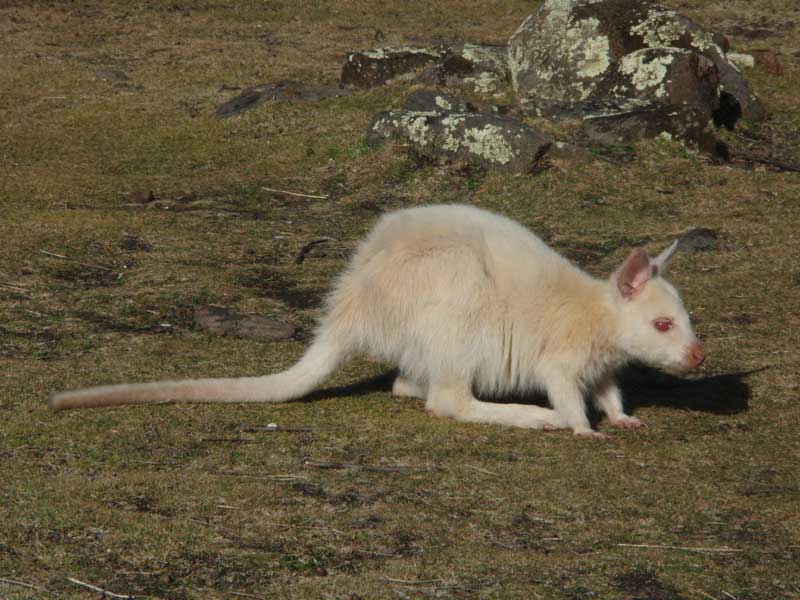
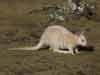 This little fellow, about 450mm when erect, lives at the very end of Adventure Bay, Bruny Island, among low scrub near the cutaway thru which the surf surges. True albinos lack pigmentation in their skin (see the pink nose), their fur which is white, and their iris (red eyes).
Albino-ism is caused by recessive gene, a no-pigment gene, that is, a gene which, thru mutation, has lost its ability to make pigment. Chromosomes, which are strings of genes in each cell's nucleus, come in pairs so that if one chromosome has a no-pigment-producing gene but the other chromosome has a pigment-producing gene, then the pigment-producing gene produces pigment. The animal is not albino.
But if both chromosomes have no-pigment genes then there is no gene to produce pigment, and the animal is an albino.
There are many albinos in the area, indicating that the recessive gene is carried by a large proportion of the population.
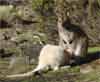 This photo shows its mother having the heterozygous phenotype, that is, one of those chromosomes carries a pigment-producing gene while the other carries a no-pigment gene.
In a similar manner blue-eyed people have a no-pigment gene on both chromosomes. If their parents are brown-eyed, those parents must each have a pigment gene, but they must also have a no-pigment gene to pass on to their blue-eyed child. Each parent gives, on their child's conception, one no-pigment gene to their child.
Obviously if both parents are blue-eyed, their child cannot get a pigment gene from either, and so must be blue-eyed.
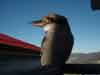 This kookaburra arives from 'nowhere' because we rarely hear them even from a distance. I was up a long ladder painting the eaves when he alighted on the neighbour's red roof, presumably to see if I was catching lizards or snakes, and be willing to share. He stayed a long time and then flew down to a rail nearby where he posed for this photo.
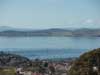 This year was particularly wet with unusually heavy rain all too often, so this rare day had to be photographed.
No, we never tire of the views from the window, for the scenery, its light and colors are continuously changing.
 This is the same view as the photo above, showing a different light, a different mood.
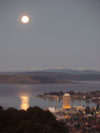 And here again, from the same window, with the camera rotated further east.
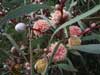 Hakea flowers are so different to other flowers, and this shrub, when it occasionally flowers, is covered in them. Passers-by stop to admire and 'steal' a branch for home decoration.
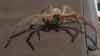 The width of this Huntsman spider stretches from wrist to fingertips, but they are harmless and useful, removing moths and such. The perfect pet – no pen or cage, no cleaning, and you don't even have to feed it ! In a good year there will be one in each room. Very rarely do they miss their footing and fall on us as we sleep.
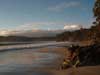 Here is why we live in Tasmania, slow and sleepy Tasmania, away from the madding crowd. Our 'residence' is a tiny simple shed, resting among the trees on the cliff above this spot.
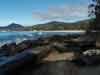 And this is further along, at the northern end of the next beach. Just looking at the photo helps you to relax. Imagine the peaceful solitude when standing here, no-one in sight, no trucks, no blaring music, pollution-free, and only you, the sound of gentle waves and the kaleidoscope of vivid colors. Paradise !
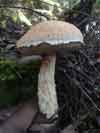 Mushrooms, to me, have a magic all their own. They are merely the fruit of a fungus which burrows thru the topsoil, devouring organic material, accumulating energy over a long period, then prepares its fruit over several days. Add moisture and hey, bingo, in a few hours this fruit, this mushroom, bursts magically into view. The mushroom, often in beautiful delicate colors, with fascinating structures that seem simple yet are very efficent, offer hundreds of species to explore.
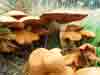 A 'forest' of mushrooms. The small mushrooms underneath have been drenched with a rich-brown spore 'dust' cascading form the tall one. But do not eat a mushroom unless you are absolutely sure it is safe. Some kill very quickly. Some destroy our internal organs like the liver, leaving us unable to recover. There is no antidote.
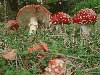 But why should we judge a mushroom by its edibility ? What can be more beautiful, more admirable, than this Amanita muscaria ?
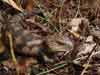 The Blue-tongue is a common sight in Australia. I pick them up gently by placing my palm under their belly, to remove any ticks. Removing ticks from their ears, requires tweezers. Then I gently put them down. Sometimes this disturbance makes them slowly move away, but often they remain there, enjoying the warmth of the morning sun.
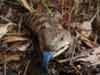 Bluetongue is very slow moving so it resorts to this fierce bluff when threatened. They make ideal pets for lazy people, and, unlike having children, you always have the last word.
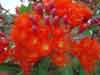 Eucalyptus ficifolia is the brightest of the eucalypts, equalled in splendour by only the yellow blossom of the Eucalyptus pressiana. Evolving to Australia's poor soils, the eucalypt, semi-deciduous, straggly and prone to drop its branches in droughts, is in the blood of every true Australian. If you want to make an expatriate weep, burn some eucalypt leaves, with their blue waxy coating and full of eucalyptus oil,on an open fire. The smell of eucalyptus oil brings memeories of boiling a billy in the open bush, yarning with your mates at night around a campfire, listening to the screech of possums and the thump-thump of hopping roos.
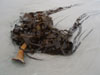 Bull kelp attaches itself to rocks, spreading from the shoreline out to many tens of metres deep, and grows to the surface. This is a small one, presumably from near the shore from whence it was ripped by a storm, and washed ashore.
Its shape hints at the grace it shows in the oscillating waters driven by waves. The sadness of its demise is drowned by the beauty of the moment.
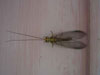 How delicate ! How beautiful ! This lacewing paused briefly in my day and then left me filled with joyful admiration.
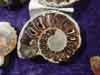 This opalized shell captures the beauty of the animal and the beauty and wonder of geological processes spanning millions of years.
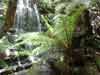 Temperate rainforest, altho not as vaunted as tropical rainforest, brings its own beauty and our admiration.
 Even a tiny scorpion is a thing of beauty ! How admirable is its evolution ? As a person who trips over his own two feet, I wonder in what order do its legs move ?
 Crouch to admire this humble seaweed, for it has colors and brilliance uniquely his.
 Altho wasps suffer a poor public-relations image, the engineering of their intricate structure, their colors, their focus on life's tasks, on the moment, are admirable. And fancy being able to sting people who annoy you !
 Watching nature at work is fascinating. Here is the Bridgewater Jerry just beginning to form, but highlighted by the rising sun. The Jerry is a fog, beginning upriver where the cool air descending from the hills meets the moist air lying on the river, causing the moisture to condense into fog.
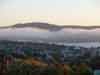 Here is the Jerry thickening. It often spreads across the Derwent Valley, between the surrounding hills; a thick low-lying fog looked down upon by people walking to work from those nearby hills.
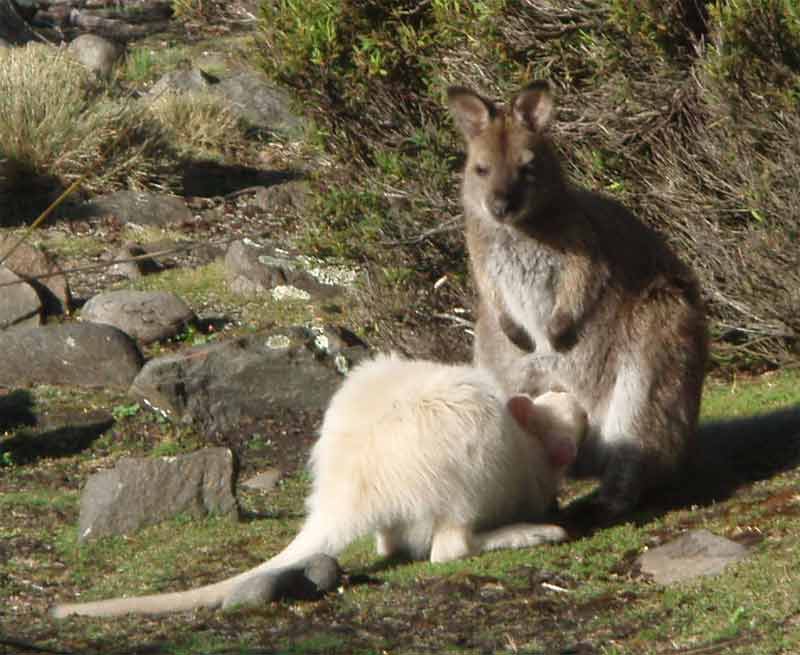 This photo shows its mother having the heterozygous phenotype, that is, one of those chromosomes carries a pigment-producing gene while the other carries a no-pigment gene.
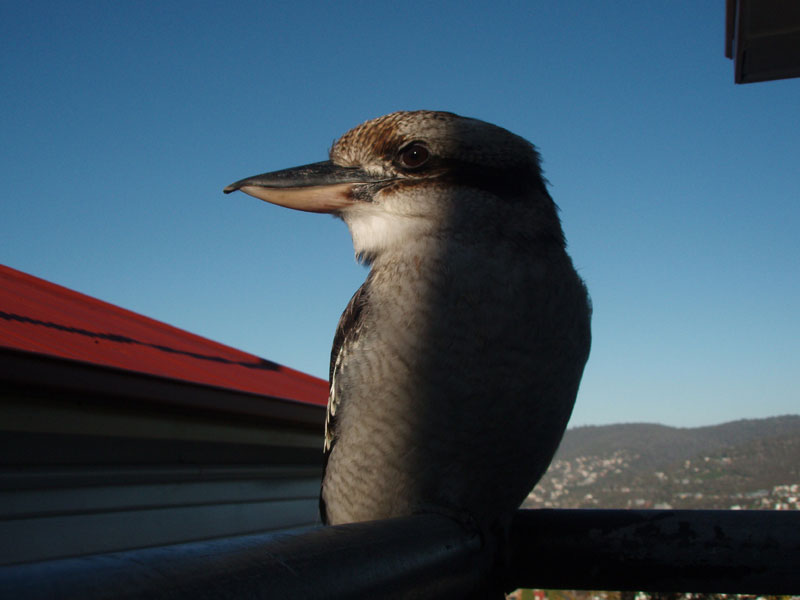 This kookaburra arives from 'nowhere' because we rarely hear them even from a distance. I was up a long ladder painting the eaves when he alighted on the neighbour's red roof, presumably to see if I was catching lizards or snakes, and be willing to share. He stayed a long time and then flew down to a rail nearby where he posed for this photo.
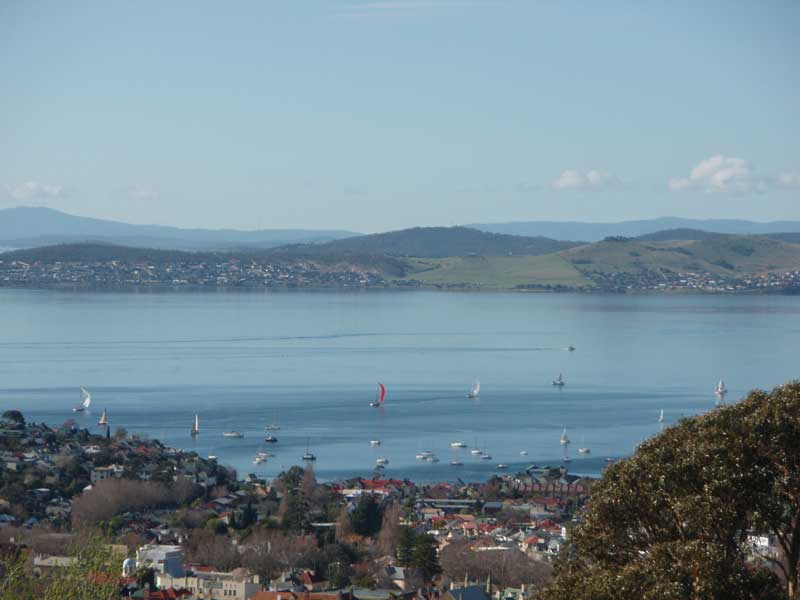 This year was particularly wet with unusually heavy rain all too often, so this rare day had to be photographed.
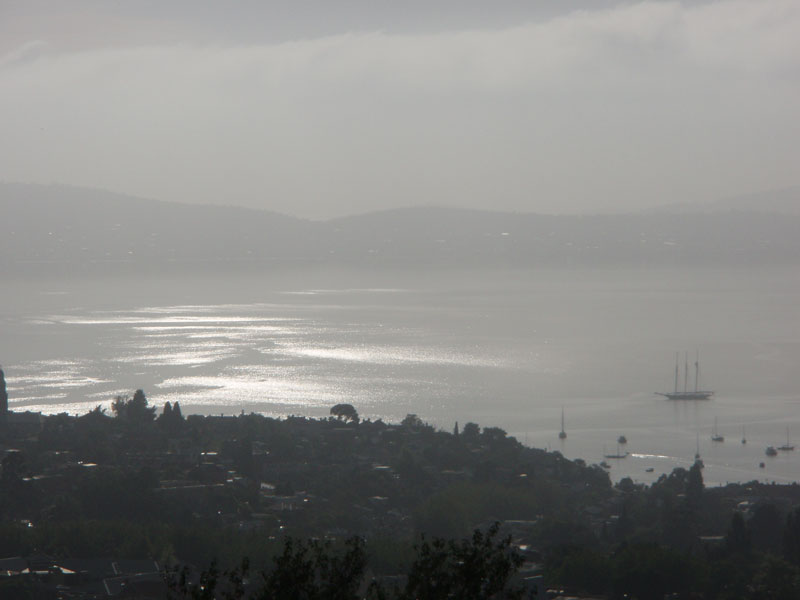 This is the same view as the photo above, showing a different light, a different mood.
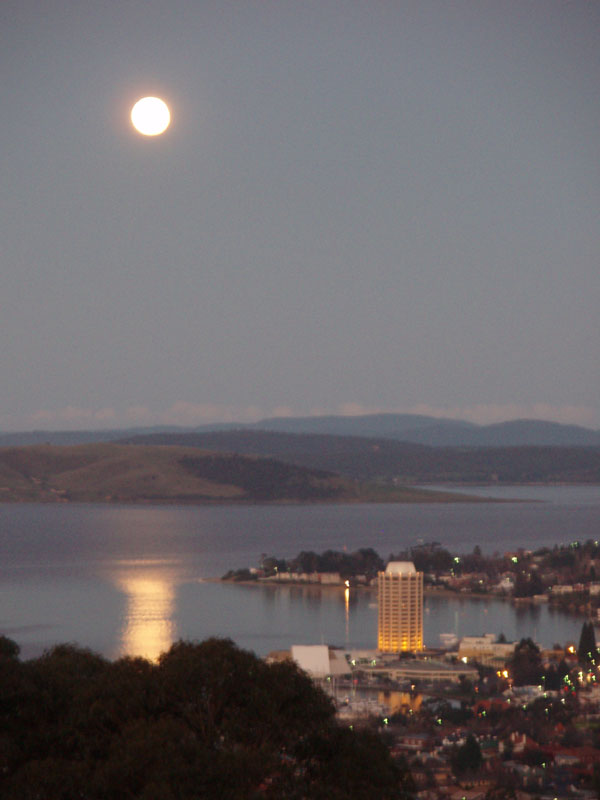 And here again, from the same window, with the camera rotated further east.
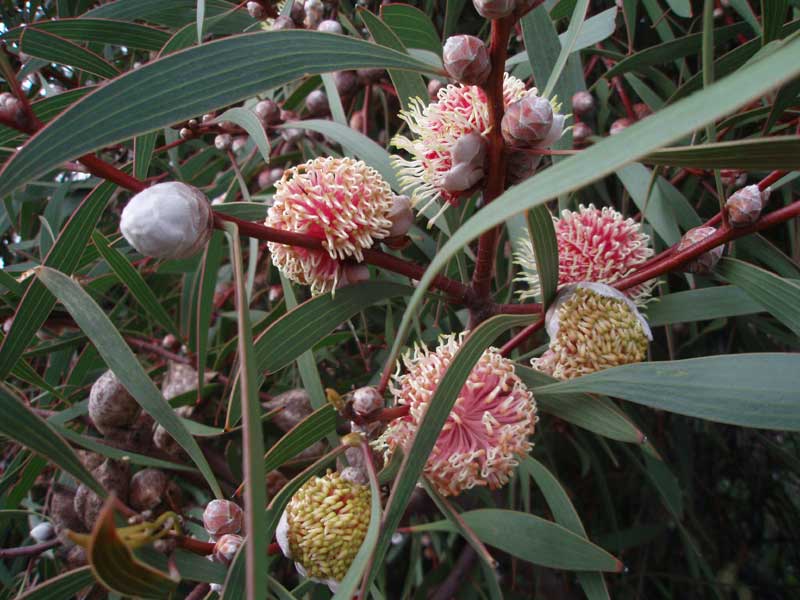 Hakea flowers are so different to other flowers, and this shrub, when it occasionally flowers, is covered in them. Passers-by stop to admire and 'steal' a branch for home decoration.
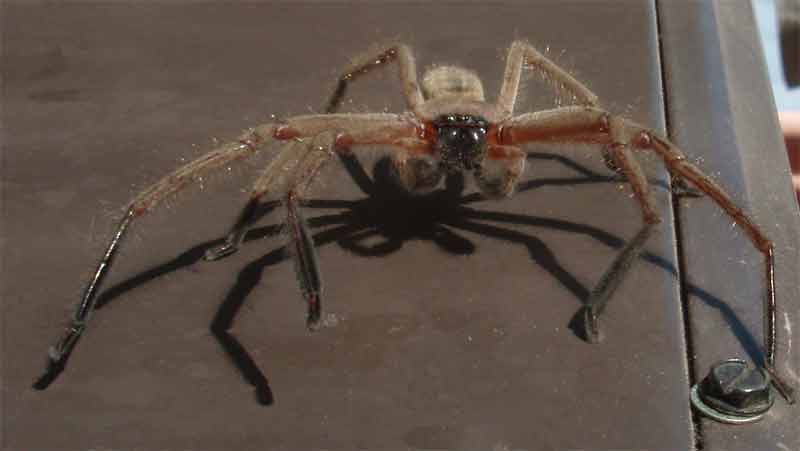 The width of this Huntsman spider stretches from wrist to fingertips, but they are harmless and useful, removing moths and such. The perfect pet – no pen or cage, no cleaning, and you don't even have to feed it ! In a good year there will be one in each room. Very rarely do they miss their footing and fall on us as we sleep.
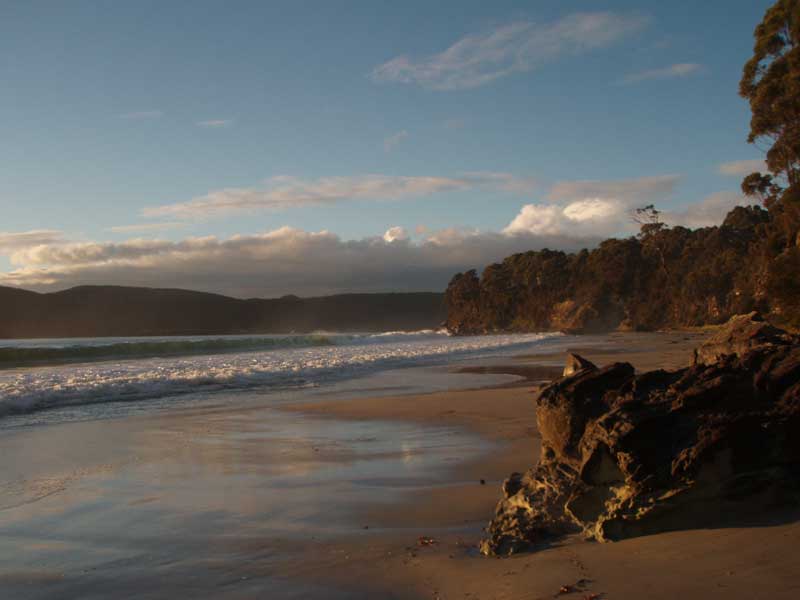 Here is why we live in Tasmania, slow and sleepy Tasmania, away from the madding crowd. Our 'residence' is a tiny simple shed, resting among the trees on the cliff above this spot.
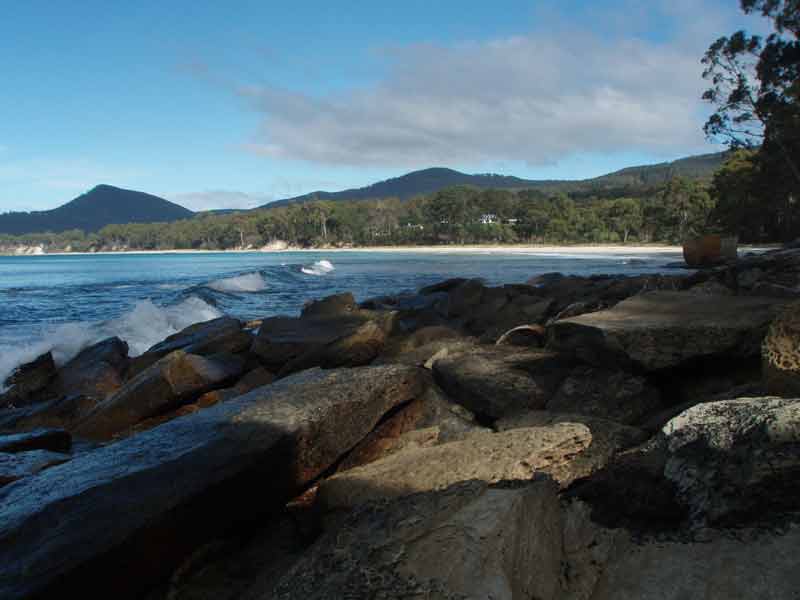 And this is further along, at the northern end of the next beach. Just looking at the photo helps you to relax. Imagine the peaceful solitude when standing here, no-one in sight, no trucks, no blaring music, pollution-free, and only you, the sound of gentle waves and the kaleidoscope of vivid colors. Paradise !
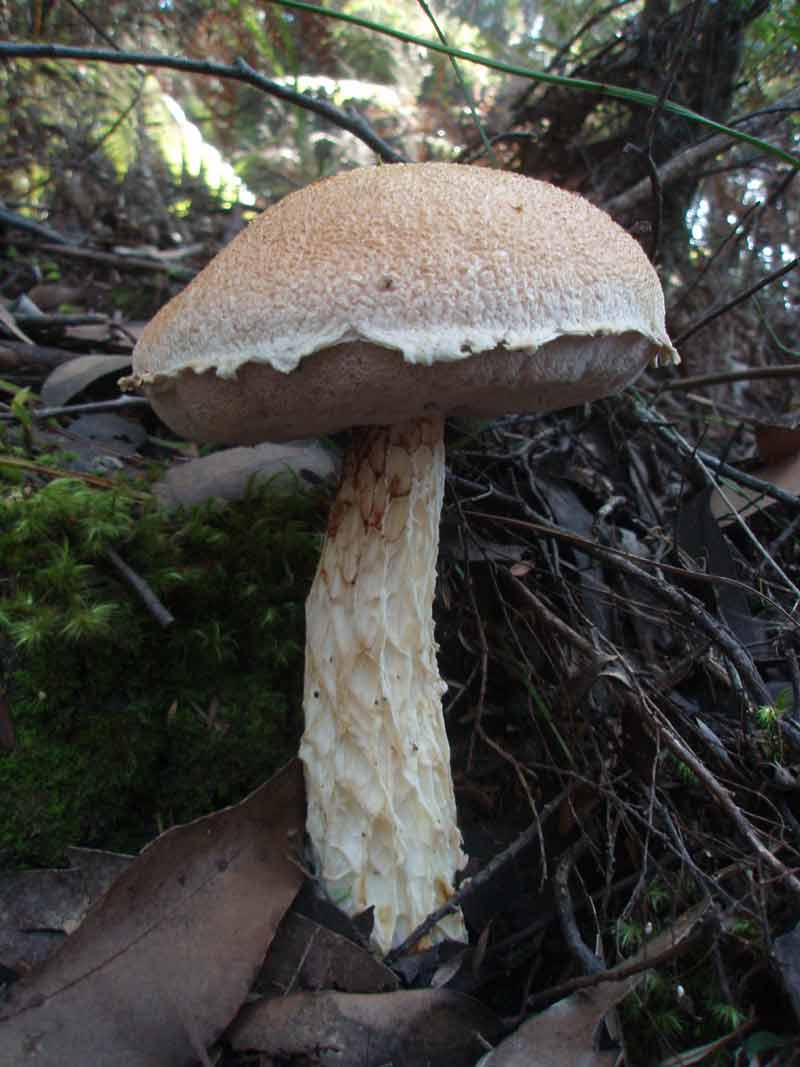 Mushrooms, to me, have a magic all their own. They are merely the fruit of a fungus which burrows thru the topsoil, devouring organic material, accumulating energy over a long period, then prepares its fruit over several days. Add moisture and hey, bingo, in a few hours this fruit, this mushroom, bursts magically into view. The mushroom, often in beautiful delicate colors, with fascinating structures that seem simple yet are very efficent, offer hundreds of species to explore.
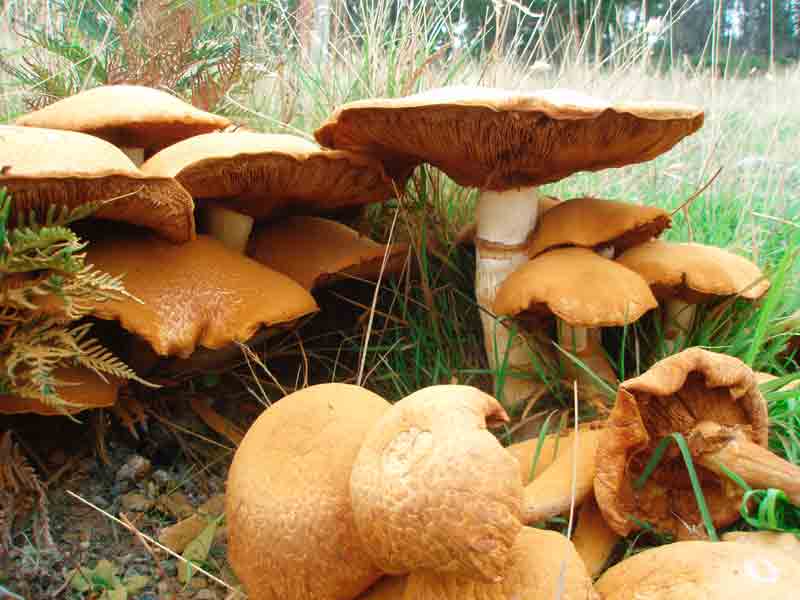 A 'forest' of mushrooms. The small mushrooms underneath have been drenched with a rich-brown spore 'dust' cascading form the tall one. But do not eat a mushroom unless you are absolutely sure it is safe. Some kill very quickly. Some destroy our internal organs like the liver, leaving us unable to recover. There is no antidote.
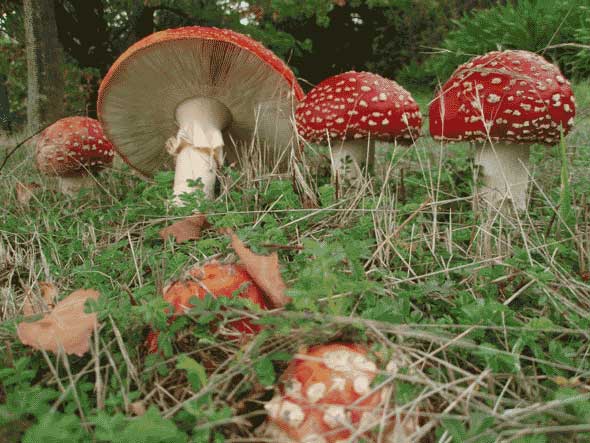 But why should we judge a mushroom by its edibility ? What can be more beautiful, more admirable, than this Amanita muscaria ?
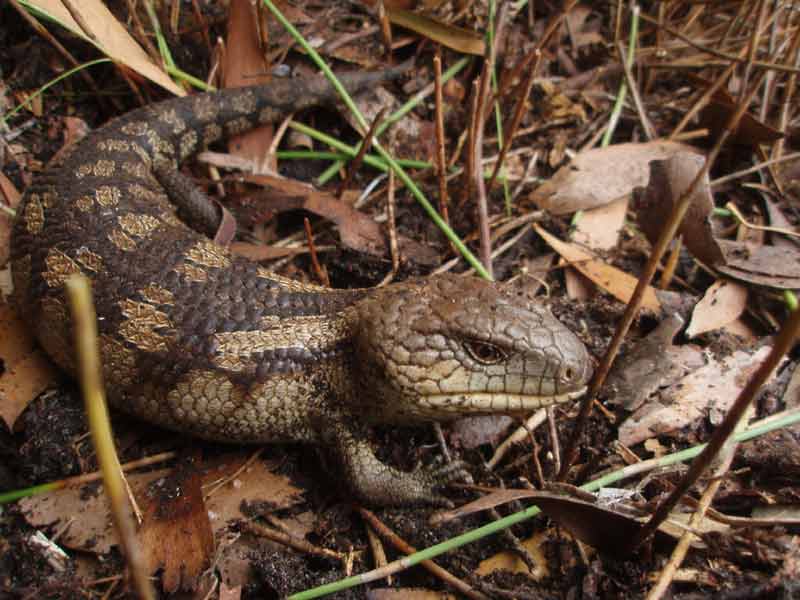 The Blue-tongue is a common sight in Australia. I pick them up gently by placing my palm under their belly, to remove any ticks. Removing ticks from their ears, requires tweezers. Then I gently put them down. Sometimes this disturbance makes them slowly move away, but often they remain there, enjoying the warmth of the morning sun.
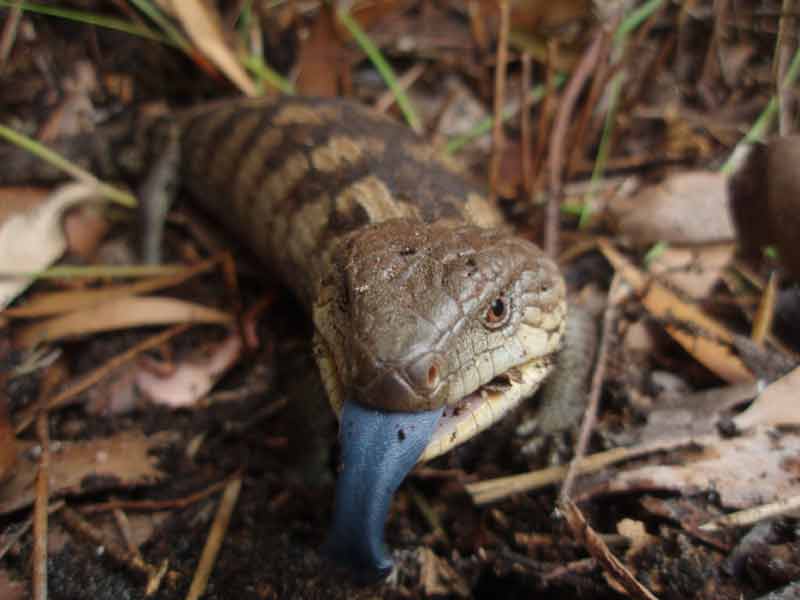 Bluetongue is very slow moving so it resorts to this fierce bluff when threatened. They make ideal pets for lazy people, and, unlike having children, you always have the last word.
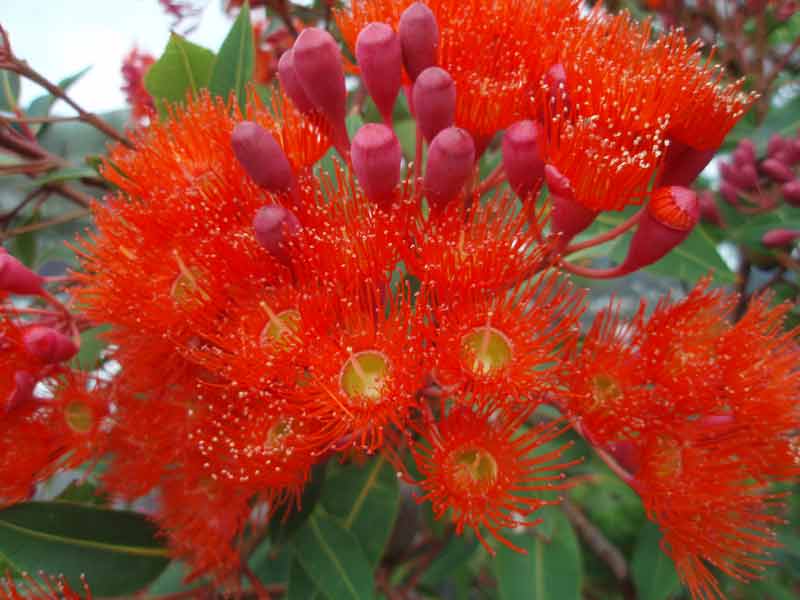 Eucalyptus ficifolia is the brightest of the eucalypts, equalled in splendour by only the yellow blossom of the Eucalyptus pressiana. Evolving to Australia's poor soils, the eucalypt, semi-deciduous, straggly and prone to drop its branches in droughts, is in the blood of every true Australian. If you want to make an expatriate weep, burn some eucalypt leaves, with their blue waxy coating and full of eucalyptus oil,on an open fire. The smell of eucalyptus oil brings memeories of boiling a billy in the open bush, yarning with your mates at night around a campfire, listening to the screech of possums and the thump-thump of hopping roos.
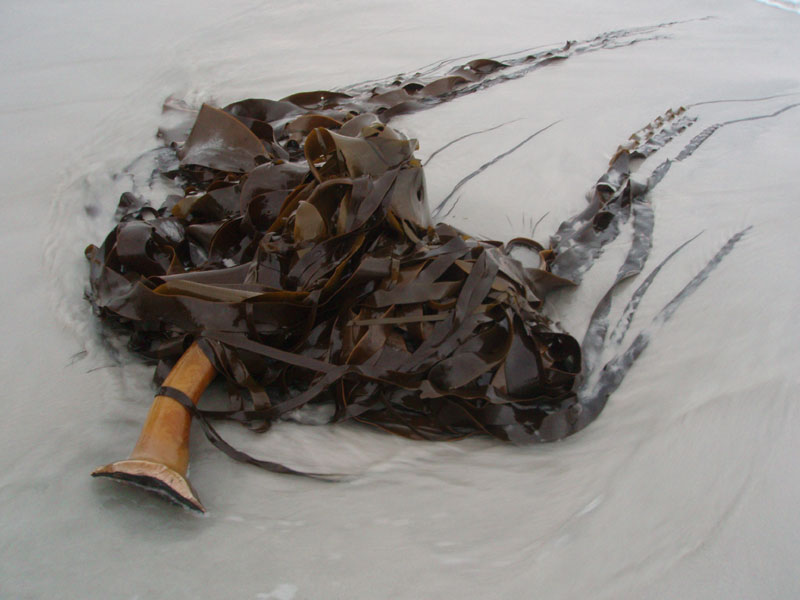 Bull kelp attaches itself to rocks, spreading from the shoreline out to many tens of metres deep, and grows to the surface. This is a small one, presumably from near the shore from whence it was ripped by a storm, and washed ashore.
Its shape hints at the grace it shows in the oscillating waters driven by waves. The sadness of its demise is drowned by the beauty of the moment.
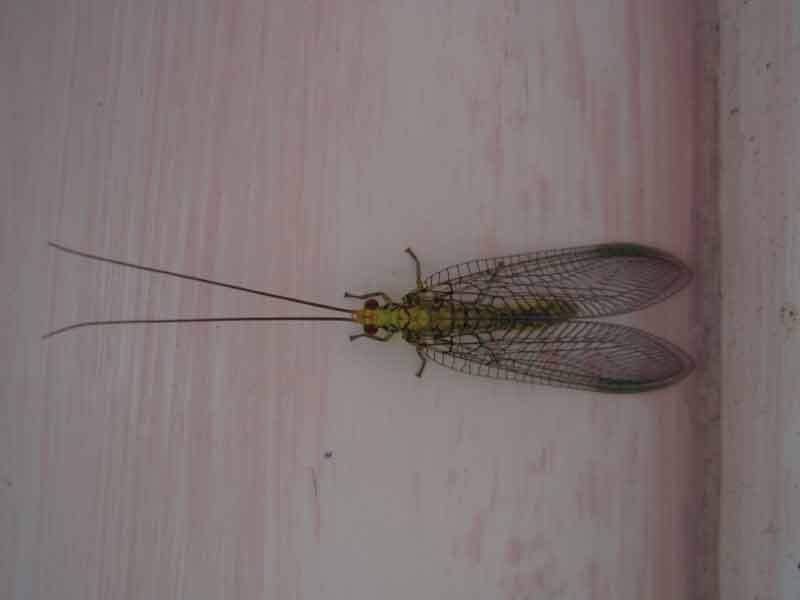 How delicate ! How beautiful ! This lacewing paused briefly in my day and then left me filled with joyful admiration.
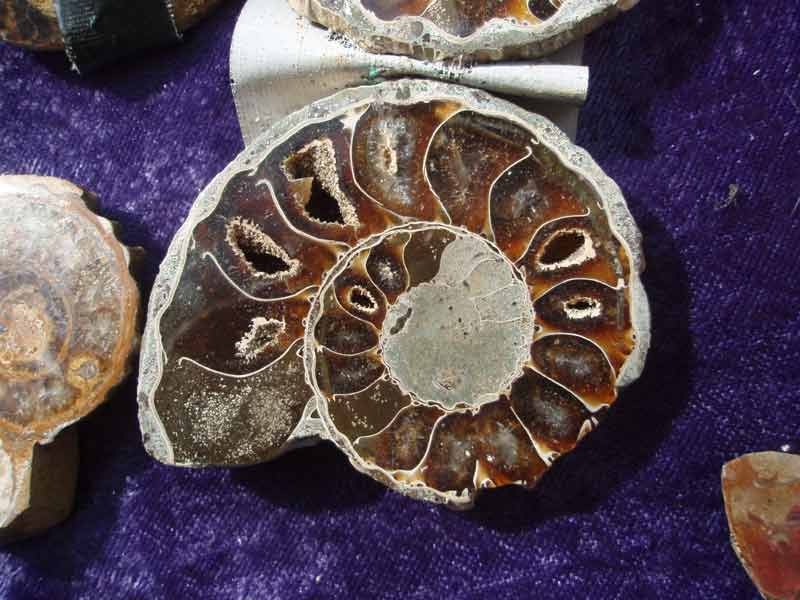 This opalized shell captures the beauty of the animal and the beauty and wonder of geological processes spanning millions of years.
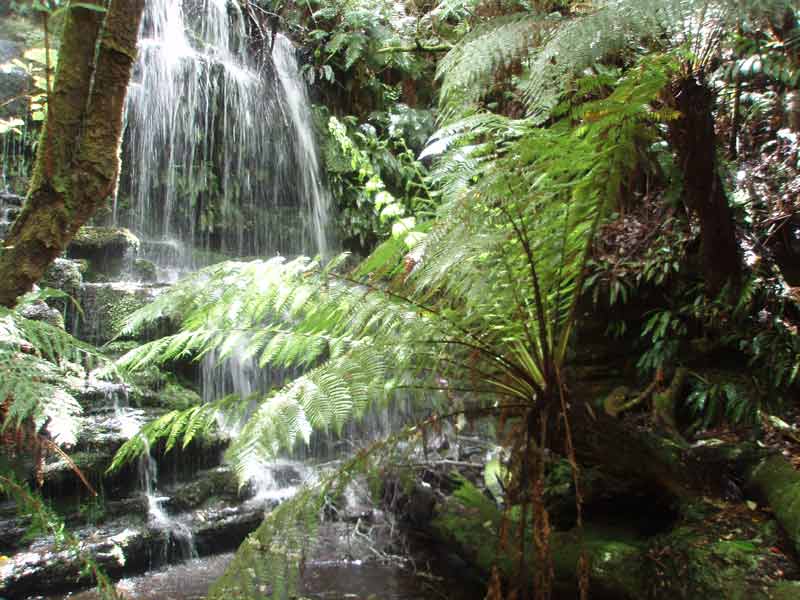 Temperate rainforest, altho not as vaunted as tropical rainforest, brings its own beauty and our admiration.
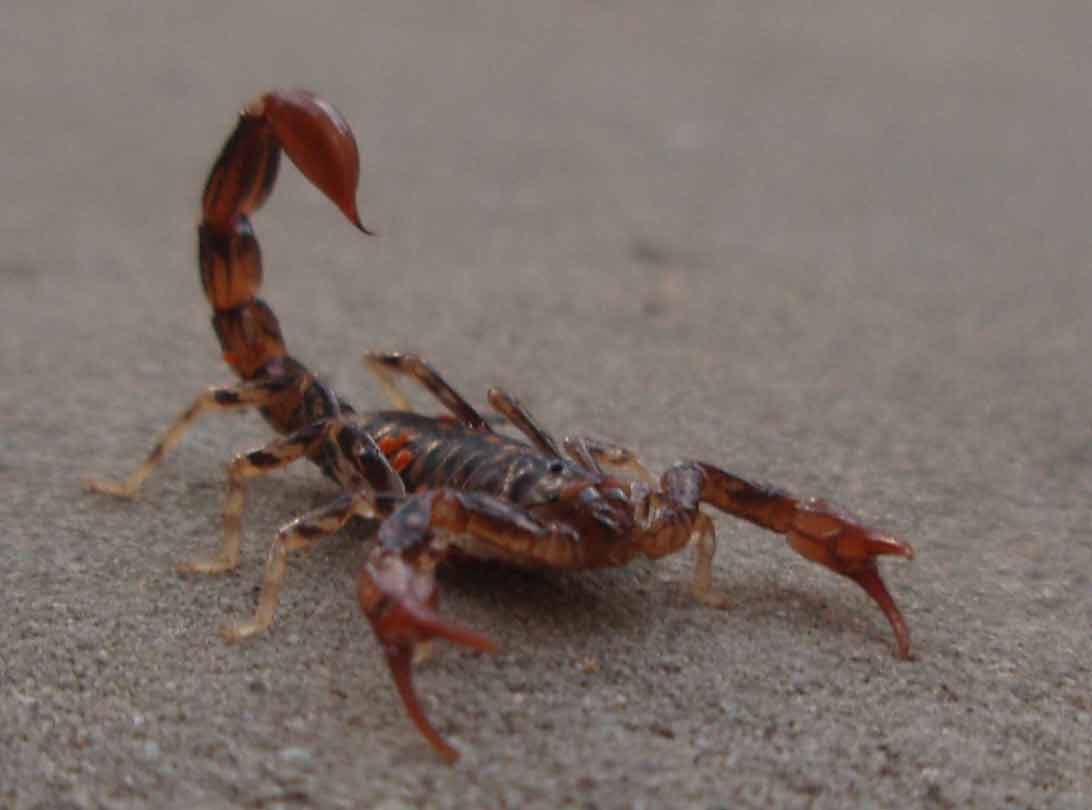 Even a tiny scorpion is a thing of beauty ! How admirable is its evolution ? As a person who trips over his own two feet, I wonder in what order do its legs move ?
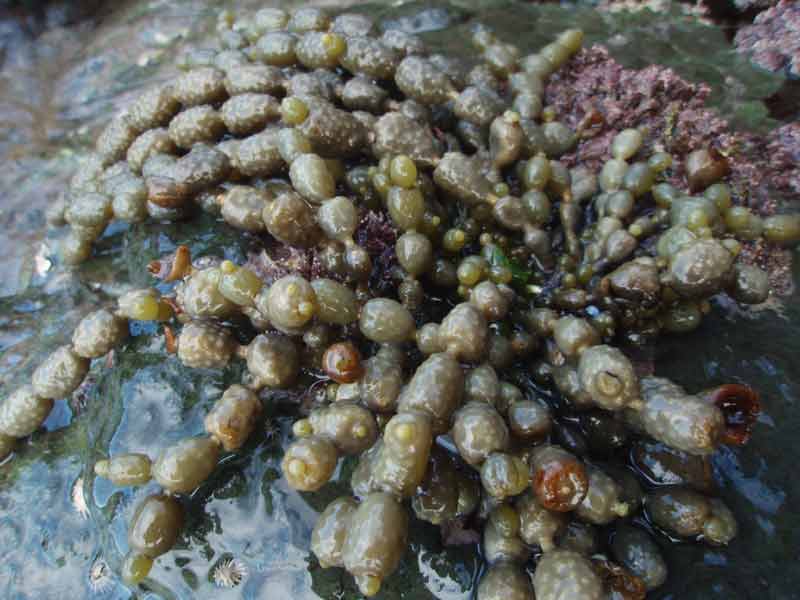 Crouch to admire this humble seaweed, for it has colors and brilliance uniquely his.
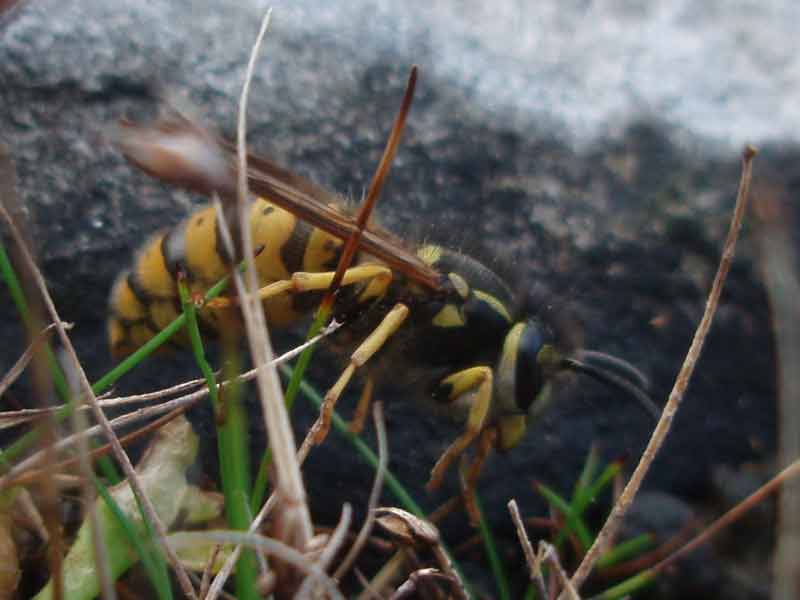 Altho wasps suffer a poor public-relations image, the engineering of their intricate structure, their colors, their focus on life's tasks, on the moment, are admirable. And fancy being able to sting people who annoy you !
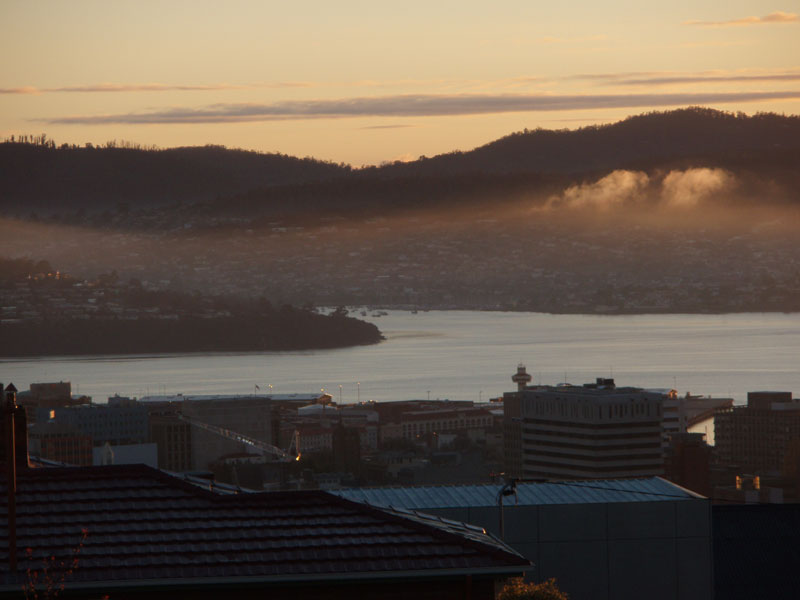 Watching nature at work is fascinating. Here is the Bridgewater Jerry just beginning to form, but highlighted by the rising sun. The Jerry is a fog, beginning upriver where the cool air descending from the hills meets the moist air lying on the river, causing the moisture to condense into fog.
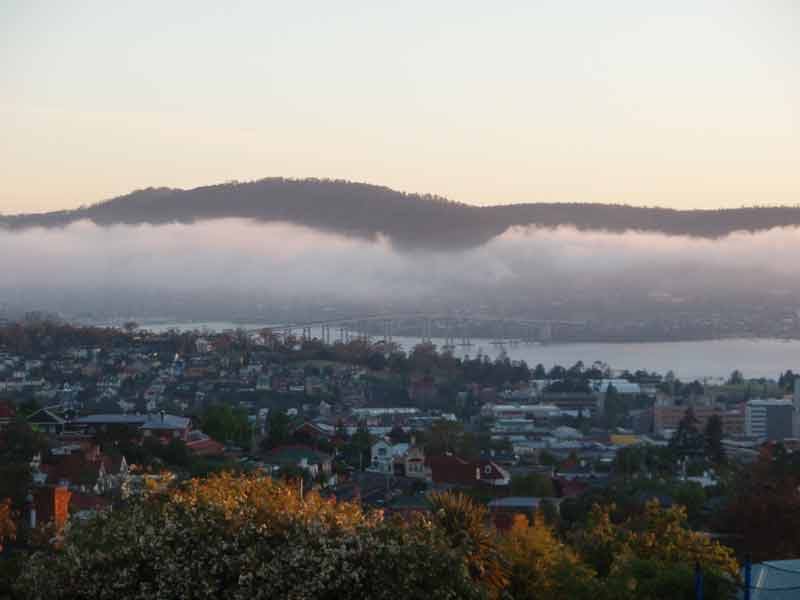 Here is the Jerry thickening. It often spreads across the Derwent Valley, between the surrounding hills; a thick low-lying fog looked down upon by people walking to work from those nearby hills.